网站首页
网站首页  关于我们
关于我们  产品展示
产品展示  新闻资讯
新闻资讯  在线留言
在线留言  联系我们
联系我们  ENGLISH
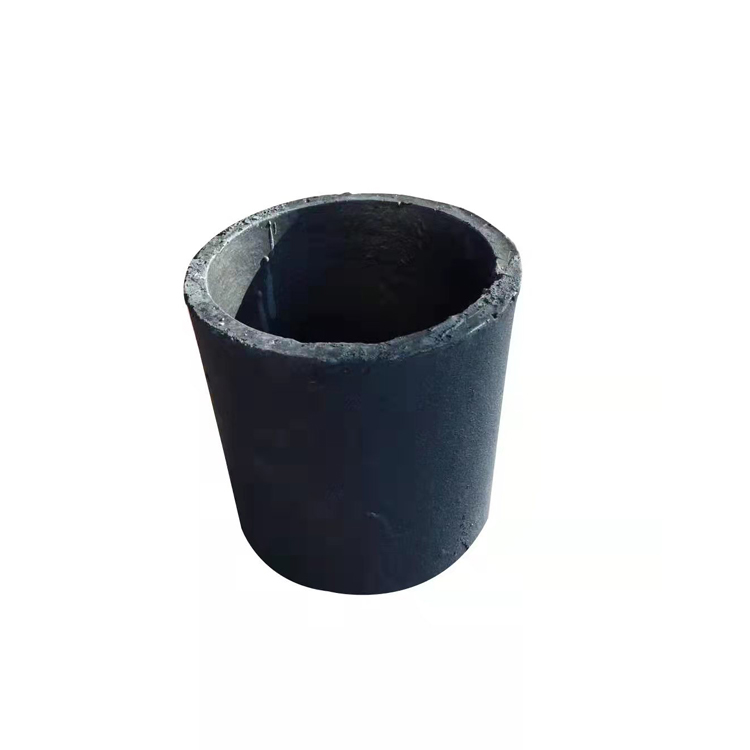
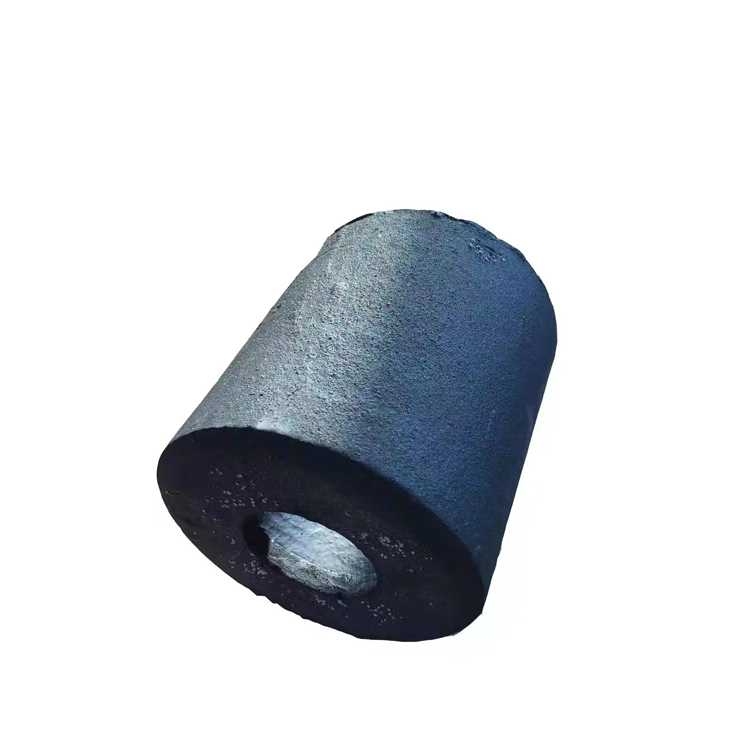
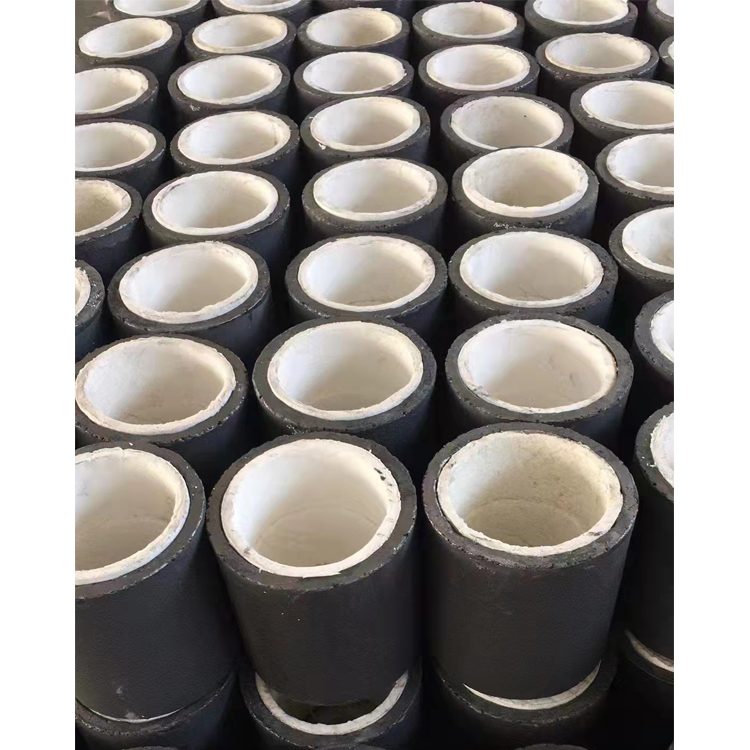
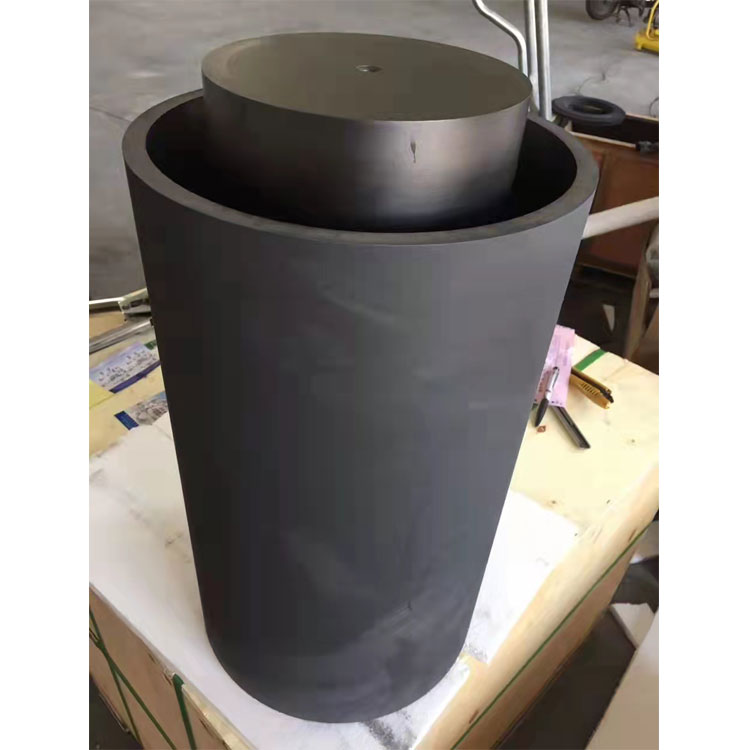
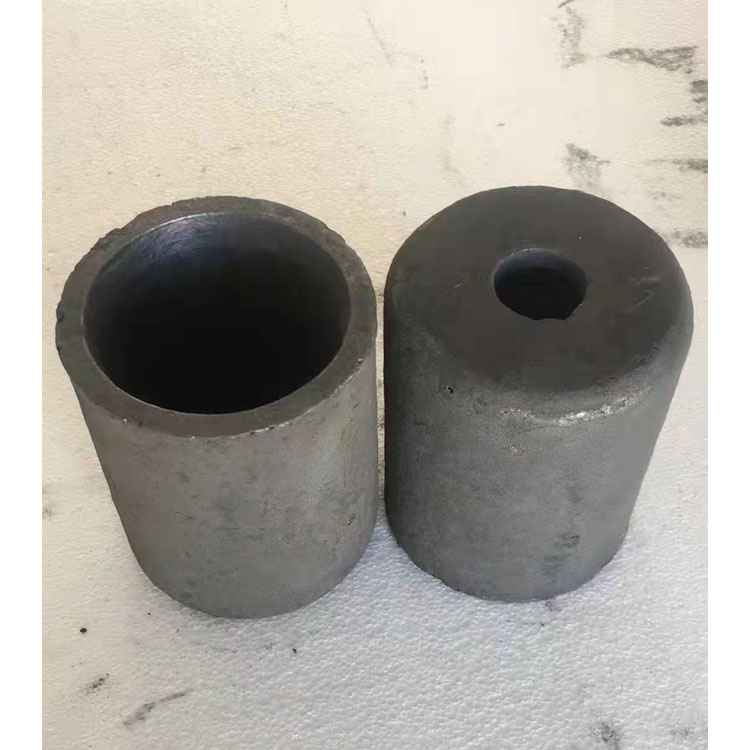
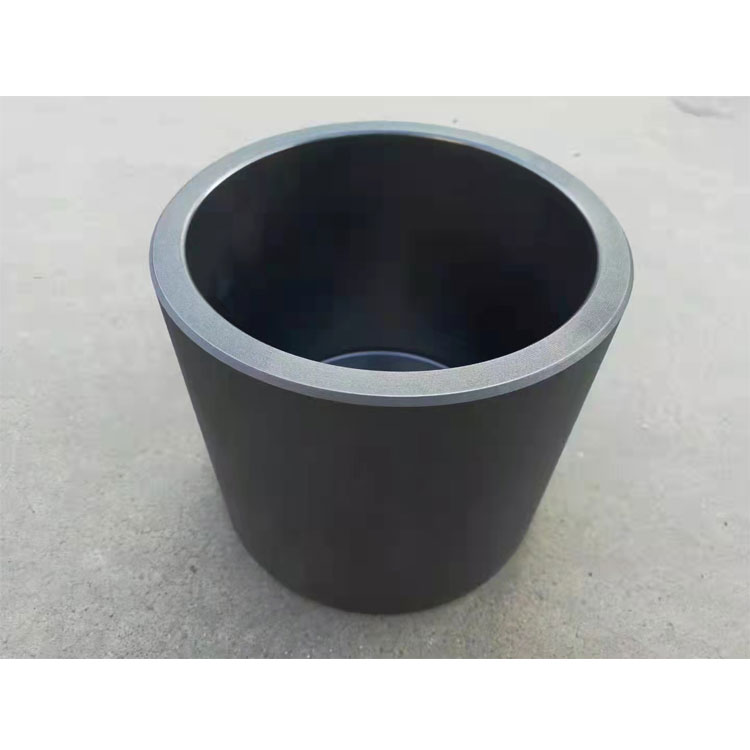
Graphite mold
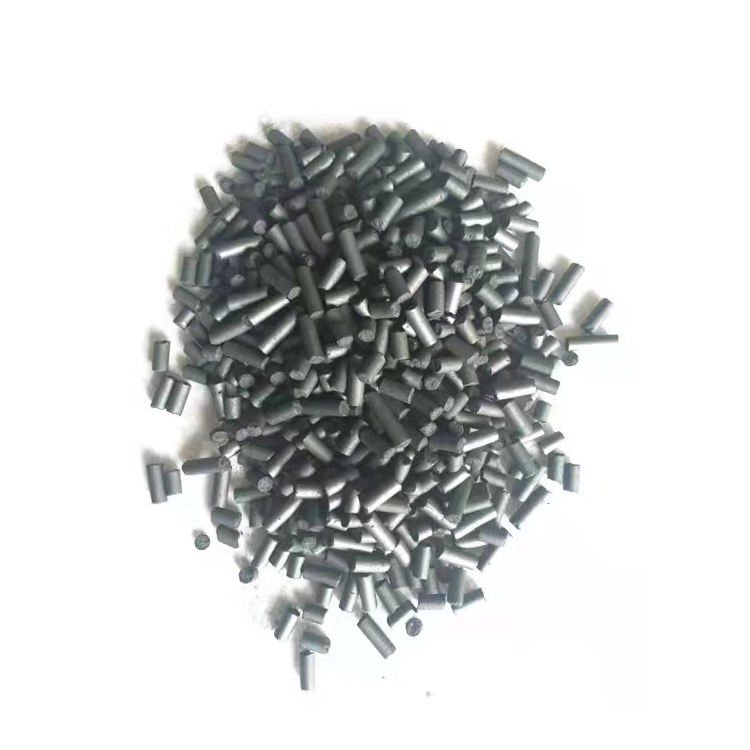
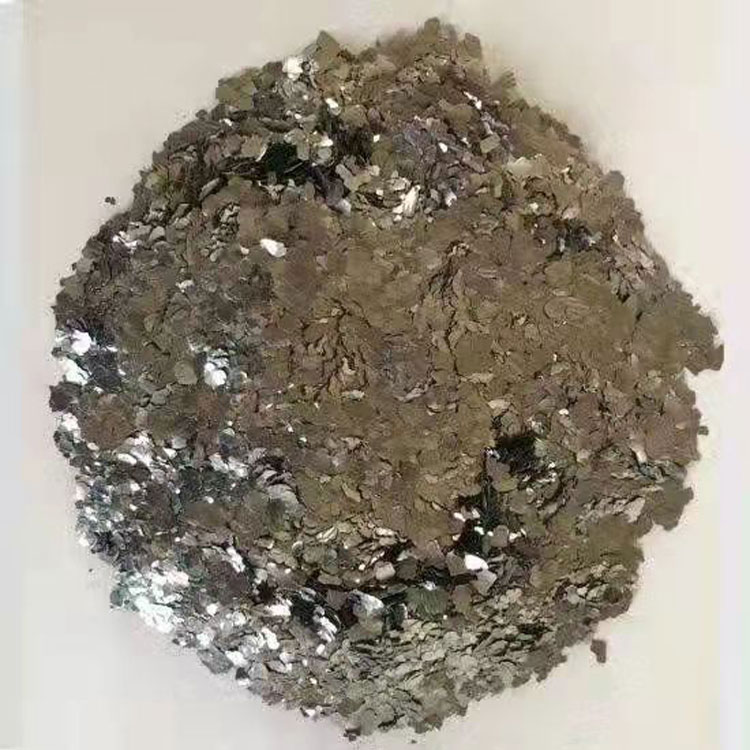
1.Product raw materials:
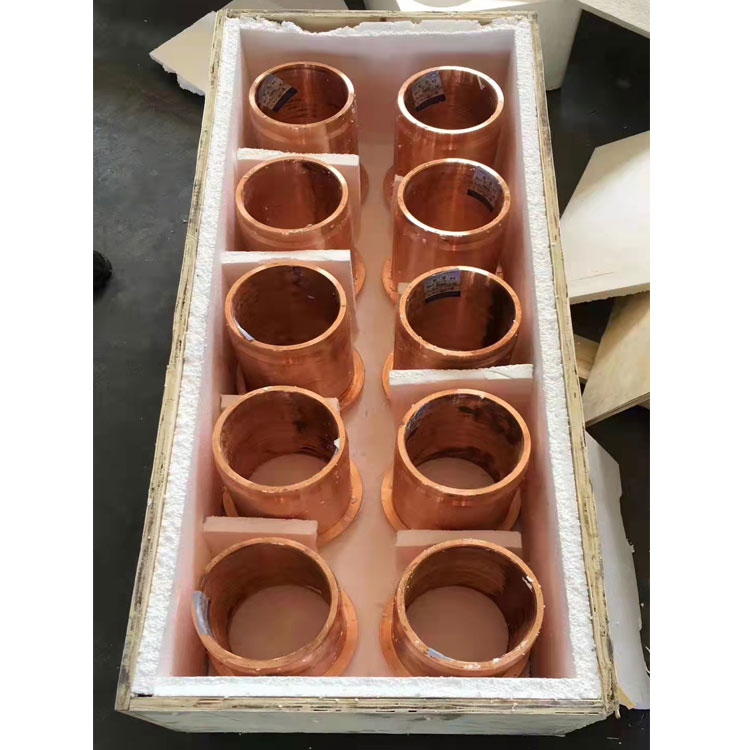
2. Product introduction:
Graphite A material with extraordinary properties. First, the raw materials are ground and mixed with a binder to form a homogeneous paste. The mixture is formed by isostatic pressing, extrusion, molding, and vibration molding. After forming, the compacts are first fired or carbonized in an air-free environment at 1000 degrees Celsius. The binder between the solid particles is carbonized, i.e. converted into carbon, giving the compact the desired strength. Graphitization is a secondary heat treatment process, that is, it is carbonized into a three-dimensional carbon structure at 3000 degrees Celsius, and the material is densified by reducing the lattice distance. It can also be impregnated with pitch or artificial resin during firing or graphitization, so that the density of graphite , the strength and thermal conductivity will be greatly improved.
High-purity graphite has the characteristics of high strength, good thermal shock resistance, high temperature resistance, strong oxidation resistance, low resistance, corrosion resistance, and easy precision machining. The products are widely used in metallurgy, machinery, electronics, chemical industry, textile, light industry, food and other industrial sectors as well as emerging industries such as aviation and atomic energy. They are ideal non-metallic materials welcomed by domestic and foreign users.
Service life, because it is affected by many factors, the service life of graphite molds cannot be clearly specified, and only a few parameters can be controlled in the casting operation. Usually, the mold and core rod must be dried to avoid surface wetting and prolong the service life of the mold. In order to ensure the mechanical strength, the wall thickness of the round mold is at least 5mm, and the thickness of the strip mold is not less than 10mm. At the beginning of casting, the humidity in the graphite mold will cause the formation of steam and increase the tension, which will affect the whole system, including the molten metal, the graphite mold and the metal cooler. We recommend that the graphite mold is heated at 450K for 12 before starting the casting. hours or at 390K for 24 hours.
The company's products have established stable cooperative relations with domestic and foreign customers by virtue of their excellent quality. The horizontal continuous caster produced by our company has achieved a leap in product quality through technical improvement and re-chlorination of raw materials, and its service life has been increased by more than two times.
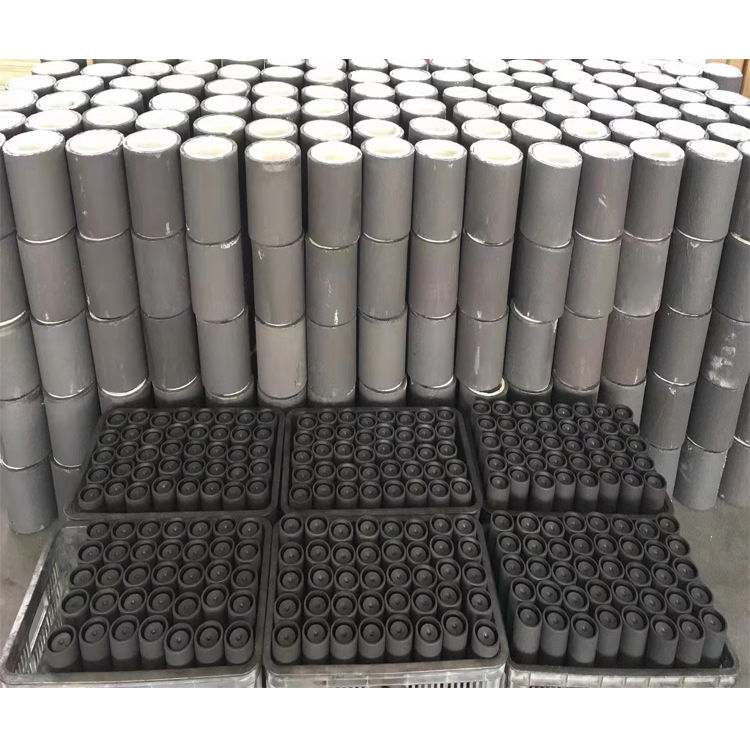
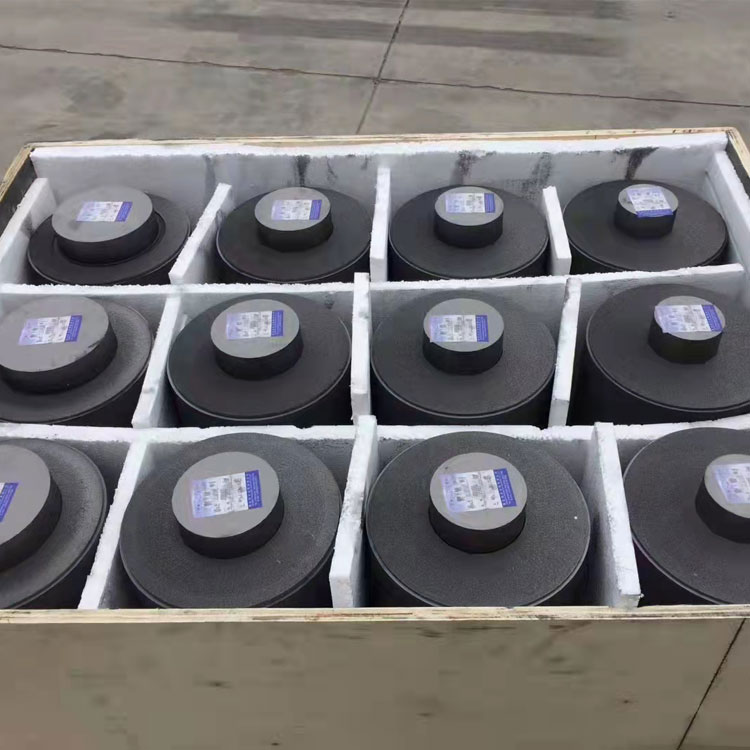
3. Production equipment:

4.The characteristics of graphite:
(1) Density.
Depending on the grade, the density ranges from 1.7-1.9g/cm, which is equivalent to 1/4 of iron or 1/5 of copper.
(2)The surface is wet.
Graphite is not wetted by most molten metals.
(3)Temperature resistance.
Graphite does not dissolve, sublimates at 3900K, and remains stable in air at 750K.
(4) Thermal shock.
Graphite is particularly resistant to thermal shock, so short-term heating and cooling are no problem.
(5)Mechanical strength.
Compared with other materials, the tensile strength, compressive strength and flexural strength of graphite increase with the increase of temperature before reaching 2700℃. When the temperature exceeds 2700°C, the strength of graphite is twice as high as that at room temperature.
(6)Processability.
Graphite has good machinability and can be processed into parts with complex shapes and high precision.
(7)Refinement and zero defect.
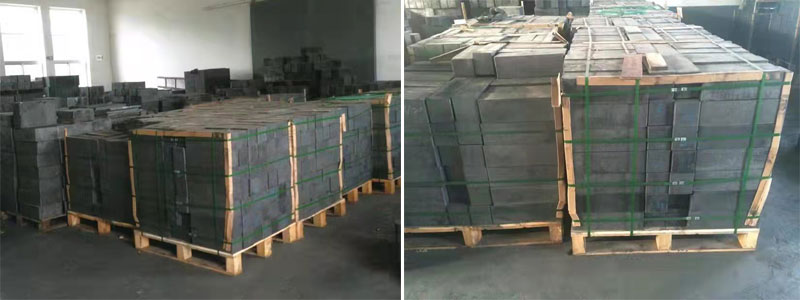
5. Production workshop: